Dry Needling vs. Acupuncture: Understanding the Key Differences
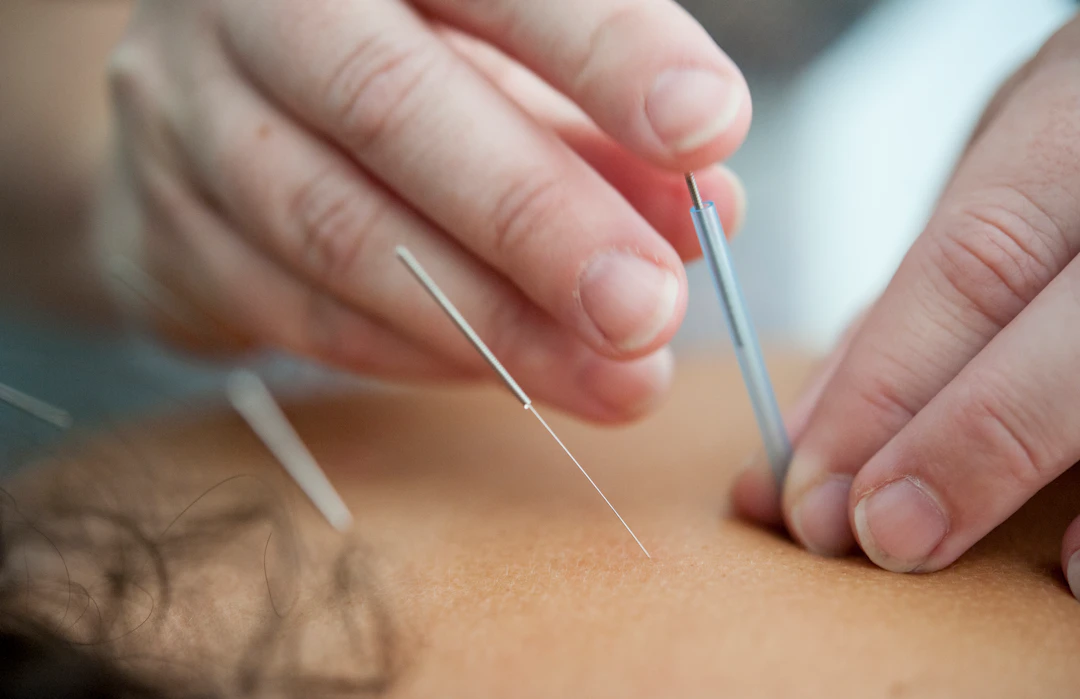
Dry Needling vs. Acupuncture: Understanding the Key Differences
by Erin Collins, PT, MSPT, Astym cert. in Physical Therapy / Wellness / integrative physical therapist Posted on
15/02/2025 09:08
If you’ve ever struggled with lingering muscle pain, tightness, or movement restrictions, you may have heard of dry needling or acupuncture as potential treatment options. While both techniques use thin, filament needles inserted into the skin, their methods, philosophies, and effects on the body are quite different. Understanding these distinctions can help you make an informed decision about your care.
What Is Dry Needling?
Dry needling is a modern, evidence-based technique used by physical therapists to treat musculoskeletal pain and dysfunction. It involves inserting fine needles into trigger points—tight knots within the muscle that contribute to pain, movement restrictions, and compensatory patterns. By stimulating these points, dry needling helps release muscle tension, improve blood flow, and reset neuromuscular function.
Unlike acupuncture, which is rooted in traditional Chinese medicine (TCM), dry needling is grounded in Western medicine and neuroscience. It is used as part of a comprehensive physical therapy treatment plan to address biomechanical imbalances, chronic pain, and post-injury recovery. Many patients find dry needling particularly beneficial for conditions such as low back pain, neck pain, headaches, and sports injuries.
What Is Acupuncture?
Acupuncture, a key component of traditional Chinese medicine, follows a different framework. It is based on the concept of energy flow, or Qi (pronounced "chee"), which moves through meridians in the body. Acupuncturists insert needles at specific points along these meridians to restore balance, promote healing, and support overall wellness.
Acupuncture is often used for a wide range of health concerns beyond musculoskeletal pain, including stress management, digestive issues, hormonal balance, and sleep disorders. While research continues to explore the mechanisms behind acupuncture, it is widely recognized for its ability to stimulate the nervous system and encourage the body’s natural healing processes.
Key Differences Between Dry Needling and Acupuncture
The primary distinction between the two techniques lies in their approach and intent. Dry needling is focused on musculoskeletal dysfunction and follows a Western medical model, targeting specific anatomical structures to relieve pain and improve movement. Acupuncture, on the other hand, is based on holistic principles that aim to balance the body’s energy systems.
Additionally, dry needling is most commonly performed by trained physical therapists as part of a rehabilitation plan, whereas acupuncture is practiced by licensed acupuncturists with specialized training in traditional Chinese medicine. While both treatments can offer significant benefits, they serve different purposes and may be used in complementary ways depending on a patient’s needs.
Which One Is Right for You?
If you’re dealing with persistent pain, movement limitations, or recovery from an injury, dry needling performed by a physical therapist may be an effective option to address muscular dysfunction and restore movement patterns. If you are seeking a more holistic approach to overall wellness, stress relief, or systemic health concerns, acupuncture might be a better fit.
Ultimately, the choice depends on your specific goals, symptoms, and treatment preferences. If you’re unsure which is right for you, consulting with a manual physical therapist near you can help you determine the best course of action.
physical therapist Physical Therapy Clinical Pilates integrative approach physical therapy in Grandview dry needling acupuncture physical therapy columbus