There’s No Such Thing as a “Bad” Body Part: Reclaiming Control Over Your Health
There’s No Such Thing as a “Bad” Body Part: Reclaiming Control Over Your Health
by Erin Collins, PT, MSPT, Astym cert. Posted on 28/01/2025 14:16
Have you ever caught yourself saying, “I have my mom's bad back” or “My knees are trashed from years of X sport”? Women often feel stuck in a cycle of pain and limitation, believing that genetics, participation in sports, or even age have “cursed” them with broken body parts. But here’s the truth: your body is resilient, adaptable, and full of potential for healing.
Let’s debunk the myth of “bad” body parts and explore how you can take back control of your health.
Where Does the Idea of “Bad” Body Parts Come From?
The belief in “bad” backs or knees often stems from misinformation, fear-based messaging, or frustration with recurring pain. It’s easy to feel like a victim of your body when:
You’ve been told your issues are purely genetic.
You’ve been dismissed by healthcare providers who say, “That’s just how it is.”
Your pain keeps coming back no matter what you try.
Unfortunately, these narratives rob women of their confidence and the belief that improvement is possible.
Your Body Is Not the Enemy
The reality is that pain or dysfunction isn’t a sign of your body being “bad” or broken. Instead, it’s your body communicating that something needs attention. A “bad” back or knee may simply be a result of:
Muscle imbalances or weakness.
Poor movement mechanics.
A lack of recovery or chronic stress on the area.
The good news? These issues can often be addressed with the right approach.
Rewriting the Narrative
As a physical therapist, I’ve worked with countless women who believed they were stuck with a “bad” body part, only to discover that with education, movement, and personalized care, they could regain function and confidence.
Here’s how to start rewriting your story:
Shift Your Mindset: Instead of labeling your body, approach it with curiosity. Ask, “What does my body need right now?”
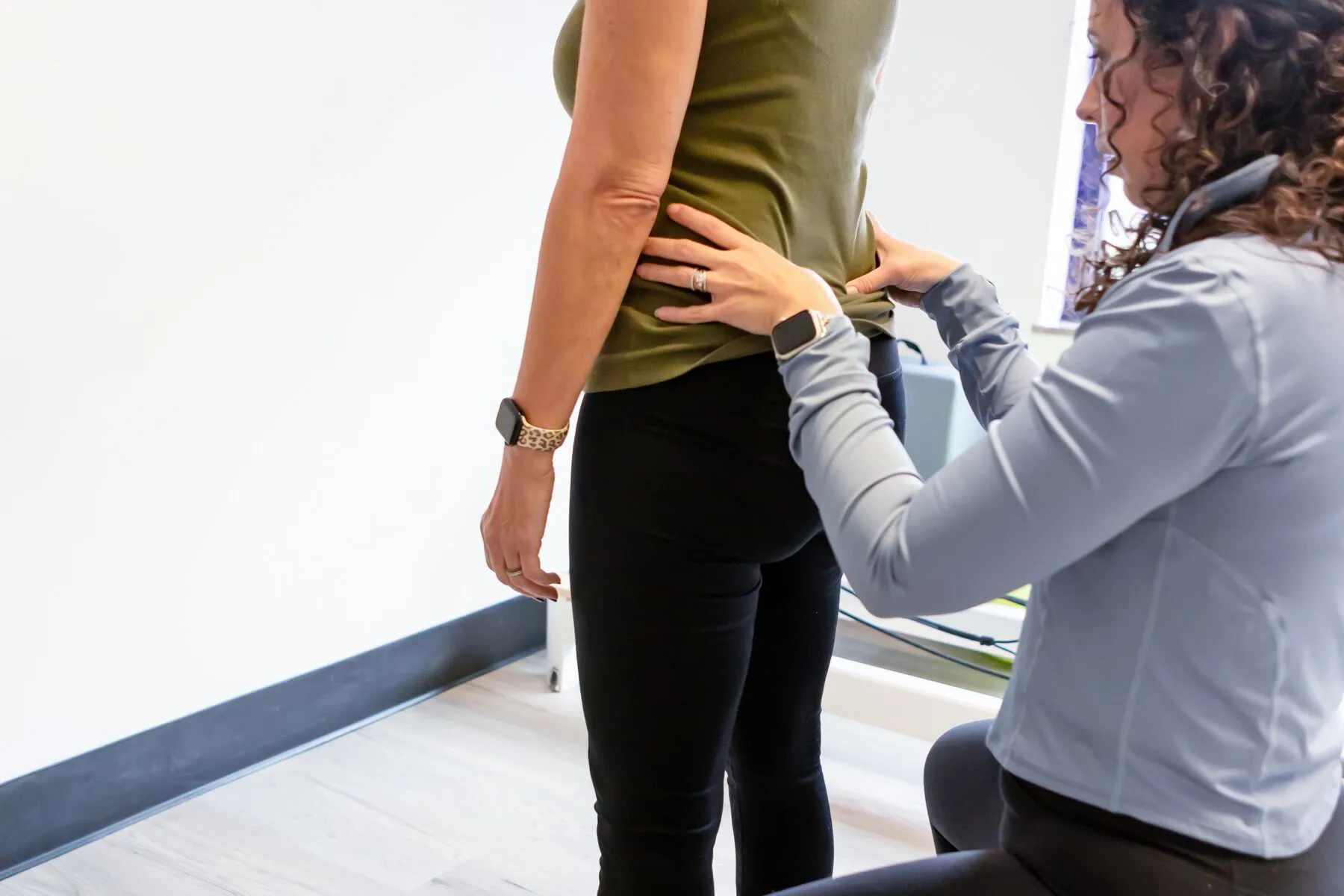
Seek a Holistic Approach: Address pain or dysfunction through a combination of manual therapy, strength training, and movement practices like Pilates to restore balance and mobility.
Focus on Progress, Not Perfection: Healing is a journey, and every step forward—no matter how small—matters.
Real Stories, Real Change
One client came to me after years of believing that her ”bad knee" was from a combo of playing a lot of sports and genetics- her mom's and grandma's knees were all bad, too. In fact, she only came to PT so that her insurance would cover the MRI requested by her surgeon advising a knee replacement.
She avoided stairs, limited her activity, and felt resigned to her situation. She was so frustrated by the weight she'd gained from not being able to be active. Through a personalized, comprehensive approach to physical therapy, addressing physical factors like soft tissue adhesions and global muscle imbalances, as well as lifestyle factors, mindset, and even her hormones, we achieved her goals of getting back to hiking AND avoiding surgery. Now, she feels more empowered in her body than ever.
Your body is never the enemy. By reframing how you think about your pain or limitations, seeking the right care, and committing to movement, you can transform those so-called “bad” body parts into strong, functional allies. Your body is designed to heal—and it’s time to embrace that potential.